
The Toupee: Advantages and Disadvantages
Introduction
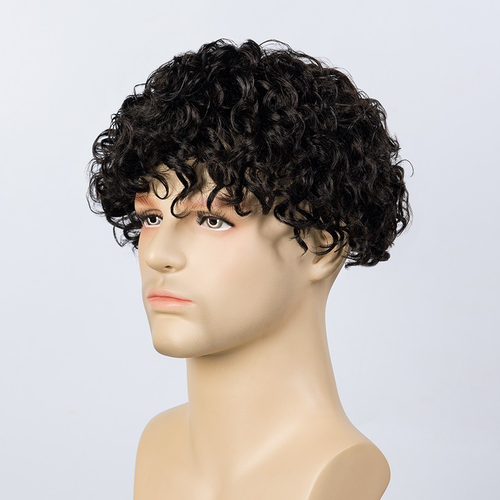
Hair replacement is not a novel idea. The desire to improve one’s appearance by augmenting or replacing hair has been a constant trend, dating back to ancient civilizations that used wigs and hairpieces and continuing into modern times with numerous hair replacement treatments offered by technologies. The toupee sticks out as a particularly attractive option among the numerous available. This essay examines the benefits and drawbacks of toupees while offering a thorough analysis of their place in modern culture.
Historical Context
Toupees have a rich history. Wigs have been used for ages; in ancient Egypt, wigs were used for religious and social purposes, and there are records of hairpieces from that time period. The use of hairpieces changed with time, and by the 18th century, males in Europe were frequently seen donning ornate wigs as a status and fashion statement. However, the 20th century saw the rise of the contemporary toupee, which gave men who were losing their hair a more natural-looking alternative to wigs from earlier times.
Advantages of Toupees
1. Immediate Solution to Hair Loss
The fact that toupees offer an instant remedy for hair loss is among their greatest benefits. A toupee provides immediate gratification, in contrast to procedures like medicine or hair transplants that may take months or even years to show benefits. When fitted, it rapidly grows back a full head of hair, giving people the confidence they need to improve their appearance right away.
2. Easy-Peasy and Stress-Free
Toupees are a no-brainer for those who’d rather skip the whole surgery thing. Sure, hair transplants work for some folks, but they come with a bunch of headaches—like surgery risks, possible complications, and downtime. With a toupee, you just pop it on and off as you please. If you ever get tired of it, no big deal. Just stop wearing it, and you’re good to go. No strings attached.
3. Cost-Effective
When weighed against alternative hair restoration techniques, toupees can be highly economical. Hair transplant surgery, for example, can be quite costly and frequently need several treatments. Insurance may not always cover the recurring expenses of hair loss medications like minoxidil or finasteride. For many, a high-quality toupee is a more economical long-term alternative since, although it takes an initial expenditure, there are no ongoing costs beyond care.
4. Psychological Benefits
Your self-esteem might be severely damaged and depressed by hair loss. In this case, a toupee can make a significant impact. It can make you appear to have a full head of hair, which can lift your spirits and give you more confidence. Positivity about yourself when you look in the mirror can have a favorable effect on many aspects of your life, including social interactions and professional chances.
Disadvantages of Toupees
1. Maintenance and Upkeep
The upkeep required for toupees is one of its biggest drawbacks. Toupees do not grow, in contrast to actual hair, thus frequent washing, conditioning, and style are necessary to keep them looking nice. Whether it is synthetic or human hair, the maintenance schedule may differ, but it normally involves more effort than that of real hair. The fact that toupees can deteriorate over time and may need to be replaced frequently adds to the strain of constant maintenance.

2. Potential for Detection
Even though contemporary toupees are made to appear as natural as possible, detection is always a possibility. It’s possible for poorly fitted or subpar toupees to stand out, which could cause shame and social anxiety. Even top-notch toupees can occasionally move or come loose, especially when exercising, which might worry the wearer. This potential for detection can be a significant drawback for individuals who seek a completely inconspicuous solution to hair loss.
3. Allergic Reactions and Discomfort
Toupee materials or the adhesives used to keep them in place can cause allergic responses in certain people. It can be uncomfortable, itchy, and red after these reactions, which makes wearing the toupee challenging. Even without allergies, toupees can occasionally cause discomfort because they press sweat and body heat against the scalp. This is especially true in warm weather. This can cause annoyance and all-around pain, which lessens the enjoyment of wearing a toupee in general.
4. Limited Longevity
Toupees do not last forever. A toupee can last anywhere from a few months to a few years, depending on quality and care. As a result, wearers will need to change their toupees on a regular basis, which can eventually become expensive and bothersome. In contrast, more permanent options like hair transplants usually do not require continuous replacement once they are completed. This means that regular replacement is necessary.
5. Social Stigma and Psychological Impact
Despite advances in toupee technology and acceptance, there remains a social stigma associated with wearing toupees. Some individuals may feel self-conscious or fear judgment if others discover they are wearing a hairpiece. This social stigma can contribute to psychological distress, potentially negating some of the confidence-boosting benefits a toupee might provide. The fear of being ”found out” can create ongoing anxiety and impact the wearer’s quality of life.

Conclusion
Toupees offer a viable solution for many individuals dealing with hair loss, providing an immediate, non-surgical, and customizable option. The advantages, including instant results, cost-effectiveness, and psychological benefits, make toupees an attractive choice for those seeking to enhance their appearance and regain confidence. However, the disadvantages, such as maintenance requirements, potential for detection, and social stigma, highlight the challenges associated with wearing toupees.
The choice to wear a toupee is ultimately a personal one shaped by priorities, lifestyle, and personal preferences. Even while they might not be the best option for everyone, toupees are nevertheless a useful tool in the larger scheme of hair restoration alternatives. The future of toupees promises increasingly more practical, pleasant, and socially acceptable options for people looking to manage hair loss as technology develops and attitudes in society change.